Do you suffer from a chronic disease (High Blood Pressure, High Cholesterol, Diabetes, Heart Disease)? If not, kudos to you, but you most likely know someone who does. 6 out of 10 Americans are diagnosed with one chronic disease while 4 out of 10 are diagnosed with two or more.
Most chronic disease develops overtime, as a a result of poor lifestyle choices. The best way to prevent, manage and even reverse chronic disease is to stop smoking, avoid excessive alcohol consumption, eat nutritious foods and exercise daily. Today, we talk with a medical exercise specialist, Selina Hinojosa, whose goal is to help her clients “understand their condition and develop daily habits and practices ” to manage chronic disease, improve overall fitness. and enhance daily function.
If the thought of a healthier you and a healthier planet is your goal this new year, why not begin taking the first steps today to move forward, make a difference, and be the change.
Take action this holiday season and learn how you can have a positive impact on your community and the planet.
PBnJ proudly introduces Holly Thomas, Corpus Christi’s first Sustainability consultant. Holly is your local resource for tips, tricks and personal coaching to help you improve your daily choices and better care for yourself by supporting your planet, locally.
Holly was born and raised in the Coastal Bend. She graduated Cum Laude with a Bachelor’s of Science (B.S.) and a minor in Communication Studies, She serves as the Public Outreach Coordinator for the Surfrider Foundation-Coastal Bend Chapter, and is a volunteer with Texas Parks & Wildlife. Holly’s credentials more than qualify her for her role as your sustainability coach. She is certified by OSHA in the Resource Conservation and Recovery Act as well as certified in Hazardous Waste Operations and Emergency response Standards for Marine and Inland Waterways. Other certifications include Water Operator Class C, Surface Water and Wastewater Treatment Operator Class D as well as Railroading Emergency Response, Boater Education Certification and Diving First Aid for Professional Divers,
You recently launched your business, “Holly’s Habits” , as an Environmental/Sustainability consultant for the Coastal Bend. Please tell us about your business and the services you offer.
I started the @hollys_habbits page as a place to share knowledge and the importance of sustainability here in the Coastal Bend. Over the past six years, I have been transitioning my personal life to live more sustainably with a focus on living a minimum waste lifestyle. My eyes were really opened to the growing global issue of pollution, especially plastic, and I started making simple changes like investing in a reusable water bottle and shopping bags. Then, over the years, I realized how much our community needed someone to help make these simple swaps and eco-adjustments at a large scale.
I am the first Sustainability Consultant in the Coastal Bend. I offer the following sustainability services: personal coaching, home audits, sustainable shopping trips, glass reuse recycling, and battery recycling. The journey to change the world starts with one action. My goal is to provide people with knowledge, education, and support on their sustainability journey. My promise, is that I am committed to transforming lives because I know that it will change the world we live in. Sign up for any of our services and get started with your journey today!
What inspired you to begin this business?
Over the years of transitioning to a minimum waste lifestyle and living more sustainably, I realized how much our community needed someone to help make these simple swaps and eco-adjustments at a large scale.
What was the biggest challenge starting your business and how have you overcome?
So far, some of the challenges have been gaining a following locally and just kind of getting the word out about what I am trying to do. However, I think that is just the way it goes when starting a business. It doesn’t happen overnight; it takes time and effort to put yourself out there. Additionally, one of my main goals with the glass reuse program is to collect all the bins second-hand that way it keeps the circle of reuse closed to our local area. So finding all of the bins at resale shops and thrifts stores has been taking some time and effort, but ultimately worth it rather than buying new storage bins.
Where do you see your business in the next two years?
In the next two years, I hope to have many more customers & businesses signed up for the glass reuse program locally. I would also love to have more one-on-one coaching sessions and sustainable grocery shopping trips booked with locals who want to focus on living a more sustainable lifestyle. I would also hope to be doing this (my passion) full time and working from home.
PBnJ’s objective is to bring awareness of the power that our food choices have on our health. Do you see a correlation between food choices and sustainability? If so, please explain.
100%! Living a plant-based lifestyle is one of the most sustainable eating practices individuals can have, that being said, plant-based is not the only way to do things. I think it is very important that you listen to what your body and gut need and make the best choices based upon those needs. Specifically, when you are eating more plants and items that have no packaging you are completely avoiding any means of waste. Most plants can be fully consumed, or the scraps can be composted which keeps the circle complete.
If you are someone who needs meat in your diet, the best way to make a sustainable choice is to obtain meat locally. Living on the Gulf Coast we are so fortunate to be able to go out and catch our food or purchase it from local fisherman and farmers. There are many local farms that provide the best clean meat options in our area and when you buy from local small business you are putting money back into your community, again keeping the circle closed.
Please share your top tips for someone wanting to transition to a more sustainability lifestyle.
Some of my ultimate tips for making the transition to a more sustainable lifestyle are get involved with like-minded individuals. If you can, surround yourself with people who will be interested in what you are doing and why. Having support when making changes is everything. Also, the best tip is to start with what you have and start small. Begin making small changes like bringing your own reusable water bottle, or coffee cup and reusable bags when you go to the store. Keep some reusable bags in your car so you always have them easily accessible when you go shopping. As things deplete around your home start making small changes around the house with products, foods, packaging, etc. do not feel like you must do everything all at once. It takes time, like all good things!
How would the Coastal Bend community benefit from your services?
The Coastal Bend is behind in reducing our carbon footprint and we need to get with the “green-movement” that is happening all around us. For future generations sake, we need to make our city a place that cares about the planet. My services and what I am attempting to do for our community are just the beginning.
In the midst of the holiday season and as the end of year is near, let a passion for sustainability fuel your future. Learn how your choices can collectively make a difference in your own health and the health of your community. Know, that with each thoughtful action, what lies ahead will be as good, or better than what you have left behind.
The holiday season is a time of reflection, gratitude and hope. We learn from yesterday and appreciate today, fostering trust, that we have the power to control our future by changing our present habits.
To begin your sustainability journey, follow @holly_habbits for creative tips from reducing food waste to choosing and sharing your Christmas gifts in mindful ways or message @hollys_habbits to schedule a consultation.
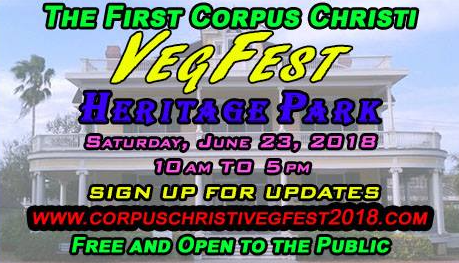
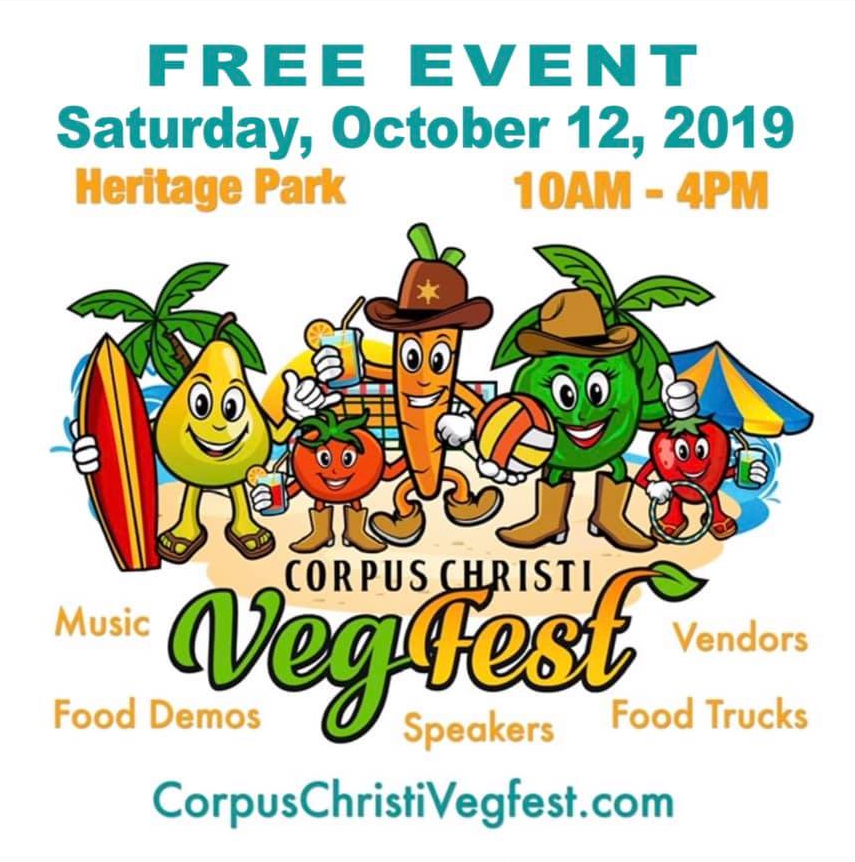
Looking for something fun to do this weekend? Interested in becoming part of something so awesome it may ultimately change your life forever? Come visit Corpus Christi VegFest 2021, Saturday, October 9th from 10-4 at Heritage Park.
Taste “free food” samples! See cooking demonstrations! Hear the latest information on health and nutrition! Join the community and be part of the impact of this growing movement!
No matter where you are on your journey, take the next step to enlighten, empower and stimulate your will! Whether you are a veteran vegan, transitioning to a plant-based diet or just curious to see what the hype is all about, you will find support and camaraderie at Corpus Christi Vegfest.
Corpus Christi Vegfest is Free to the public and is presented by a non-profit organization made up entirely of volunteers.
VegFest is a festival that was started by the national Vegan Society in the early 1960’s. It is hosted in multiple states all across the U.S and internationally. Join the movement to celebrate and promote plant-based foods, animal rights, and environmental sustainability.
Corpus Christi VegFest was classified as a non-profit organization in 2017. The first VegFest celebration in Corpus Christi was held in 2018. followed by the 2nd annual in 2019 . With the rise of the pandemic preventing the organizers from gathering for VegFest in 2020, the message to understand and take control of our health and the health of the global community is more urgent then ever. VegFest is back once again, inspiring our community to celebrate healthy living and eating by way of a plant-based lifestyle.
To learn more about this local festival, Tish Betancourt, one of the original organizers of Corpus Christi VegFest, answers our questions.
It is a joy to see the enthusiasm and interest in a plant-based lifestyle grow in the Coastal Bend each year.
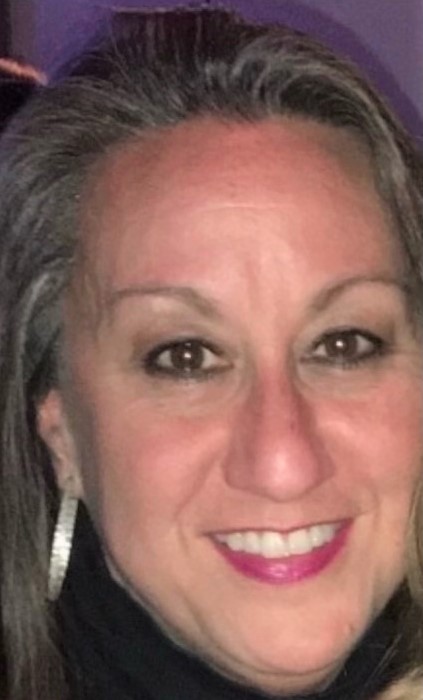
Tish Betancourt
Ms. Betancourt holds a Master’s Degree in Counseling and Educational Psychology and is a Licensed Professional Counselor in private practice on North Padre Island. She is a Certified Clinical Anxiety Treatment Professional as well as a Certified Mindfulness Clinician.
You are one of the organizers of Corpus Christi VegFest, which is scheduled at Heritage park, October 9, 2021. Please tell us how you became involved in this event.
The original group of organizers met and began discussing hosting a local VegFest through a Vegan Meetup Group in Corpus Christi. We then formed as a dynamic and diverse group of plant-based individuals who were passionate about sharing the benefits of a plant-based lifestyle with our community.
How and when did you discover a plant based lifestyle?
Approximately seven years ago I discovered a local Vegan Meetup Group and transitioned to a completely plant-based lifestyle. My interest in the group came from living much of my life unable to successfully digest many animal products and byproducts. I initially attended my first Meetup to learn if others experienced the same reactions I did and to learn why. It’s been a whole new world since then.
How has eating plant based affected your health?
I have experienced greater stamina and energy (I walk briskly approximately 5 miles, 6 days a week), clearer thoughts (no brain fog), improved sleep, brighter skin and hair, and an increased overwhelming feeling of calm, compassion and peace.
What is most challenging about a plant based lifestyle?
Trying to decide which delicious recipe to prepare next!
What do you like best about this lifestyle?
I appreciate choosing to eat compassionately and mindfully. I believe when compassion is the choice, peace inevitably follows.
Please share your top tips for someone wanting to transition to a plant based diet.
Take recipes you already love and make substitutions to make them plant-based. It’s easier than you may think. Be gentle with yourself as you learn. Ask questions, be open, and celebrate each day you make dietary choices that lead you one step closer to your destination of improved health.
Tish Betancourt, MS,LPC,CCATP,CMC1 CorpusChristi VegFest Director
What would you like the Coastal Bend Community to take away from the VegFest experience?
Information and tools to gravitate towards making healthier choices that will ultimately lead to a healthier lifestyle.
Former Corpus Christi resident, PBnJ Member and Lifestyle Medicine Doctor to speak at Corpus Christi VegFest 2021
“Let food be thy medicine and medicine be thy food”. These are the profound words of Hippocrates, the father of modern medicine.
“Despite the strong body of evidence favoring plant-based diets, including studies showing a willingness of the general public to embrace them, many physicians are not stressing the importance of plant-based diets as a first-line treatment for chronic illnesses. This could be because of a lack of awareness of these diets or a lack of patient education resources.”
The Permanente Journal :Perm J.2013 Spring:17(2)61-66
PBnJ is dedicated to providing resources that will encourage and promote better health through lifestyle changes. There is a growing movement from the community seeking an understanding of the cause of the global health crisis. We are seeking a reversal and cure of disease, not merely a treatment. Patients are ready to actively take responsibility for their health. We are searching for committed and invested physicians who understand and respect the role of nutrition in our health and who are willing to empower their patients with the necessary tools for success.
Today we would like to introduce Dr. Jeffrey M. Pierce, a PBnJ member and medical professional advocating the use of diet and lifestyle choices for a healthier, longer life.
Dr. Pierce is a family physician certified by the American Board of Family Medicine since 2007 and is a member of the American College of Lifestyle Medicine. He is currently practicing obstetrics at Contra Costa Regional Medical Center in Martinez, California. Dr. Pierce is an integral part of the physician team at Plant Based TeleHealth where he specializes in Life Style medicine. He is licensed to treat patients in California, Texas, and Florida through telehealth communications. Dr. Pierce also works with the Global Ultrasound Institute teaching physicians and nurses how to use ultrasound to take better care of their patients.
Jeff was born and raised in Corpus Christi. He attended Fisher elementary, Hamlin middle school, and graduated from W.B.Ray High School in 1996. Dr. Pierce continued his undergraduate education at the the University of Texas – Pan American (now UT-Rio Grande Valley). He received his doctorate in medicine from Baylor College of Medicine in Houston. Dr. Pierce completed his family medicine residency training and a fellowship in global health and obstetrics in California. Through the recently increased popularity and capability of video visits via telemedicine, Dr. Pierce is excited to offer his specialized lifestyle medicine professional services to Corpus Christi and the Coastal Bend community.
You are a family medicine doctor specializing in lifestyle medicine. Please share with us why you chose this profession and what motivates you to continue serving the community.
I initially chose family medicine so that I could take care of people throughout all stages of life. It was also the field I found most fitting to work with underserved populations in remote settings around the globe in the developing world. After working for years between the United States and countries in Latin America and Africa, I started a family and settled down in Northern California. While the most pressing diseases I saw in rural Africa were HIV, tuberculosis, and malaria, the biggest challenge for the American health care system is the burden of chronic illness related to our lifestyle choices. Frustrated at our relatively poor job of managing these chronic illnesses such as heart disease, diabetes, and high blood pressure, I was elated to discover that an entirely new field of medicine called Lifestyle Medicine had been developed to get to the root cause of these types of chronic diseases. Through lifestyle medicine, I now have the tools to help people turn their lives around by taking control and reversing their own chronic illnesses.
Please share your thoughts about the following statement: Whole food, plant-based (WFPB) nutrition has the power to prevent, treat and in some cases actually reverse disease.
This is a powerful and invigorating statement. I was taught in medical school that once you have a chronic illness like high blood pressure or type 2 diabetes, you will need to take medications for the rest of your life. Basically you will be sick for the rest of your life, but if you take your pills, you can manage it. I have since learned that, based on decades of scientific research, we can do far better than that. By choosing a healthy diet and lifestyle, not only can we help to keep ourselves from ever getting these diseases, we can often treat them better than we could with pills. And sometimes we can actually make these debilitating conditions go away once we have been diagnosed with them.
PBnJ’s objective is to inform the community of the health benefits of eating nutrient rich foods, particularly a whole food plant based diet. What role does a WFPB lifestyle have on patients under your care?
I am a firm believer that food is powerful medicine. Food is not just some source of calories to keep us moving throughout the day. The right foods (such as vegetables, fruits, whole grains and legumes like beans and lentils) help keep our blood pressure normal, our blood sugar and body weight in the right range, our immune system working efficiently, our cells free of cancer, and our organs functioning correctly. Conversely, unhealthy food (such as my favorite meal in high school of a double bacon cheese burger with fries and a shake) could be viewed as a slow poison that is responsible for many of the major causes of disease and death among Americans. I am lucky enough to frequently see my patients and their loved ones control and reverse their chronic illnesses simply by switching from the wrong foods to the right foods.
Do you feel it is your role to provide patient’s with nutritional information ? If not, do you refer to allied health professionals?
Before I spent many additional hours learning about diet and health, I felt unprepared to discuss diet with my patients. Just like the majority of medical doctors around the United States, I was taught very little about nutrition in medical school and residency training. According to the majority of my education, diet was something that either didn’t have a role in the patient’s illness, or it did but I couldn’t expect a patient to change their diet, so I might as well just prescribe them the latest pill or surgery to fix them. Interestingly and coincidentally, doctors are reimbursed more for prescribing pills and procedures than giving dietary education. Now, I certainly feel it is my role to provide patients with nutritional education, and I can do so confidently. That said, I still am grateful to refer patients to dietitians for their extra teaching when the need arises.
What would you say is the most difficult hurdle to overcome for your patients when transitioning?
I think the most difficult hurdle during transition to a healthy diet is social pressure from our peers. When you show up to watch the big game with your friends, and everyone is eating burgers, and you pull out your kale and pomegranate salad along with your hummus and cucumber sandwich, your buddies are going to poke fun at you. They might ask if you brought that for the rabbit, and “where will you get your protein”. Or when everyone is ordering pizza at the pizza place, and you ask for the veggie pizza without the cheese, your friends may hang their heads in shame and tell the waiter that they don’t know you. And you may be more inclined to just forget it all and have their meat-lovers deep dish just to avoid the harassment. But if you were at a VegFest or a vegan potluck, no one would bat an eye, and you’d feel more comfortable with your decision to eat better. Food is such a critical part of our social network. Our ability to stick with a healthy diet is having friends and family that will support us, no matter what, because they care for us, regardless if we get the beef burger or the bean burger. You want your decision to eat this way, whether it be for your health, or the health of the planet, to be supported. So share with your friends why you’re making a transition to a healthier way of eating. Have them watch, “The Game Changers”, or “Forks Over Knives”, and then see if their opinions have changed a bit.
How would you describe your diet?
I eat a version of a whole food plant based diet. I pretty much stopped eating all meat in 2000 during my senior year at UTPA after seeing a random HBO special on the lives of animals in factory farms. I gave up dairy many years later. Cheese was hard for me. But the more I learned about the downside to my health, the animals, and the planet, the easier it was to say “no thank you”. Breakfast nowadays is usually oatmeal with nuts, fruit, flax and chia seeds. Lunch is usually left overs from the night before. Dinners tend to be a whole grain base (such as brown rice, quinoa, millet, amaranth, etc), a legume (either pinto or black beans; or a lentil based curry, or tofu or tempeh), and cooked veggies like zucchini, peppers, tomatoes, and dark green leafy veggies. I usually eat our homemade whole grain bread with dinner, and snack throughout the day on nuts and fresh fruit. Even before the pandemic, we rarely got take out. Why pay more for food that’s not as healthy or as tasty as what we can make? We grow a ton of stuff in our garden year round, so we eat produce from our garden 2-3 times a day. That’s part of what makes eating this diet so much fun for me. I get to grow a lot of my own food, pick it at its peak flavor and nutrient content, and I don’t need to bring it home in plastic bags. Dessert is either some dark chocolate (85-90% strength), fruit, or some experimental vegan dessert I’m trying to make so I can share it with my friends and patients. But my diet doesn’t have to be your diet. It’s just one type of a WFPB diet.
How would you recommend raising general awareness about the important relationship between food causing, preventing and curing disease?
I think movies are the best way. There are lots of great books out there, but many more people will sit in front of a movie than commit to a book. Like I mentioned above, I think “Forks Over Knives” is great for showing people the power of food. I recommend “The Game Changers” to my athletic friends and patients to show them the power of a plant based diet for strength, stamina, and recovery. I recommend “Fed Up” to people with kids to learn more about the effect of the standard American diet on our little ones. I also think “What The Health” has some interesting points worth watching.
Doctor’s Recommendations:
I strongly feel that any move in the right direction towards health is worth it. Just adding one more vegetable to your plate, or one more fruit during your day, can have positive impacts on your health. Starting to exercise for 10 minutes a few times a week can get you feeling better and eventually lead to more exercise for more days of the week. These changes often aren’t easy. I come from a bicultural family, so I have first hand, personal experience with two groups on the cultural challenges that come with switching to a healthier lifestyle. But I have had the honor and pleasure of watching people from many different cultural, racial and economic backgrounds make the move to a healthier way of life. Eating and living this way will keep us living longer and happier, it will break the cycle of lifestyle diseases running in families, it will help keep our nation from going broke due to the increasing costs of these diseases, and it will help keep our planet healthy by reducing the amount of fossil fuel use and habitat destruction caused by our current way of eating. I am truly lucky to have the opportunity to practice medicine in a way that empowers people to create a brighter future. Thank you for this opportunity to share my thoughts on this topic with you today.
Join us in welcoming guest speaker- Dr. Jeffrey M Pierce Saturday, October 9th, 2021 VegFest at Heritage Park
For information about scheduling a telehealth appointment click here- Jeffrey M Pierce, MD.
“The best representation of your health is what is on your plate”
Michael Klapper, MD
Our most primitive, essential survival instinct is fueling our bodies! Nutrients, in the foods we eat, provide us with the energy needed to get us through our day. These same nutrients keep our hearts beating, our brains active and our muscles working. So, why not provide our “one and only” with the best energy source possible? Some researches have said that our food choices are biologically or economically influenced and others point out that there are physical or social determinants causing our poor food choices. Whatever it may be, awareness of the differences in the quality of the foods we choose, is the first step to empower ourselves to better health.
It has been a little over a year since PBnJ began posting interviews with community members to share their knowledge and passion for all things plant based. Today, we are pleased to introduce John Massengale, RDN, LD.
John has a B.A. in Business Administration from the University of North Texas and over 18 years of experience in the financial services industry. He also earned a B.S. in Dietetics and Human Nutrition from Metropolitan State University in Denver, Colorado. John completed his dietetic internship from the University of Oklahoma in Oklahoma City, OK. He’s a certified Health Coach through WellStart Health and participates in ongoing plant-based cooking education through Rouxbe online cooking school. He is currently pursuing certification through the American College of Lifestyle Medicine. He offers in-person and virtual counseling services for weight loss, sports nutrition, heart disease, and diabetes diet management.
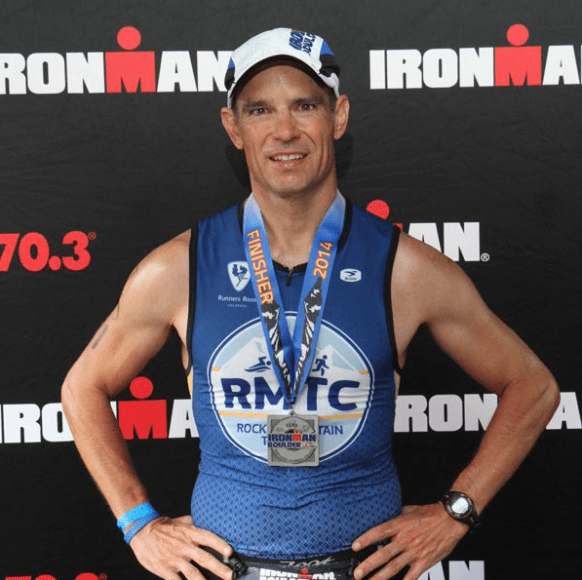
John is an accomplished athlete whose achievements include: 2014 Boulder Ironman Finisher: 11 hr.52min., 2017 Leadville 100-mile MTB race:11 hr.33min, Half Marathon PR: 1hr.37min., Marathon PR: 3:29min. John is a member of the Corpus Christi Triathlon Club and the Sparkling City Toastmasters Club. Johns shares nutrition information and plant based recipes in a featured article (2019) in“The Bend”magazine.
Please share with us why you chose this profession RDN,LD and what motivates you to continue serving the community.
I lost my father to heart disease when he was 63 years old, which is way too young. Heart Disease as well as most other chronic diseases are lifestyle related. I decided to dedicate my life to helping people avoid the pitfalls of nutrition related chronic diseases. My wish is to help those in my community by providing them with nutrition advice that is based on science so they strive and live active lifestyles.
Please share your thoughts about the following statement: Wholefood, plant-based (WFPB)nutrition has the power to prevent, treat and in some cases actually reverse disease.
I believe that is a true statement. The reasons I believe it is a true statement is because of the overwhelming amount of evidence. There are countless number of research studies that have come to that conclusion. I have been WFPB for the past eleven years and at age 51, I feel like I did when I was in my twenties.
Do you advocate a whole food plant based diet for your clients? Why or why not?
Yes, I do. I believe that with some practice it’s easy to follow, affordable, and can potentially meet an individuals nutrient needs. By eating WFPB it is also good for the planet and reduces the needless suffering of animals.
During your time as a dietitian, you have seen many diet fads come and go. What is the most detrimental fad in today’s society?
I would have to say the Keto diet which is still being used by some individuals. The current carnivore diet in my opinion can be one of the most detrimental in todays society.
With all the information and misinformation in the media , how can the average person know if what they are consuming is beneficial to their health?
I would start by asking personal doctor or nutrition professional if they have any information about a product or supplement your considering purchasing. That person should also provide you with an idea if you would benefit from that product or supplement. Information and research is more readily available with most people owning a computer or owning a smart phone. I would suggest that everyone do their own research before they spend money on a product or supplement. When doing research, be wary of websites that promote products for a profit or may have a vested interest in the product being promoted. Most .org and .edu websites maybe more reliable source for information and provide unbiased options on products or supplements. I also believe that if something sounds too good to be true, it probably is.
How and when did you discover a plant based lifestyle?
I discovered the plant based lifestyle while I was at a triathlon training camp in Las Vegas Nevada. The coaches that conducted the camp were plant based and had crates and crates of mangos, bananas, all other types of fruits. After a hard training day they would make these big fruit smoothies in their vitamix. I asked them for more information about plant based nutrition and that is when they told me to watch the documentary, Forks Over Knives. After watching Forks Over Knives in 2010, I quickly switched to a plant based diet.
What motivated you to change youreating habits?
To lose weight, perform better as a athlete, and to avoid heart disease.
How has eating plant based affected your health?
I’m 51 years old and I feel like I’m 25. I compete at a high level in endurance events like Ironman, marathons, and ultra distance mountain bike races.
What is most challenging about a plant based lifestyle?
Finding foods to eat when your traveling.
What do you like best about your new way of eating?
I feel more of a connection with the foods I’m eating and the natural environment. I feel more compassion for other individuals including animals.
Please share your top tips for someone wanting to adopt a plant based diet.
Go slow and take your time. Have an open mind and explore different cuisines like Thai, Ethiopia, Asian foods.
Describe your typical meals throughout the day/diet?
Smoothie Bowl with homemade granola for breakfast. Vegetarian chili, brown rice and salad for lunch. Grilled Tufu, sweet potato fries and broccoli for dinner. Snacks are fruit with natural peanut butter.
The foods we eat are meant to build and strengthen bones, muscles and all other body tissues as well as keep our system functioning efficiently. They are the fuel to keep our “one and only” running well. Understanding that what we eat matters, is the key to responible eating. Knowledge is freedom; freedom from illness. Let’s not be overwhelmed by the great responsiblity to self…
Start where you are. Use what you have. Do what you can.
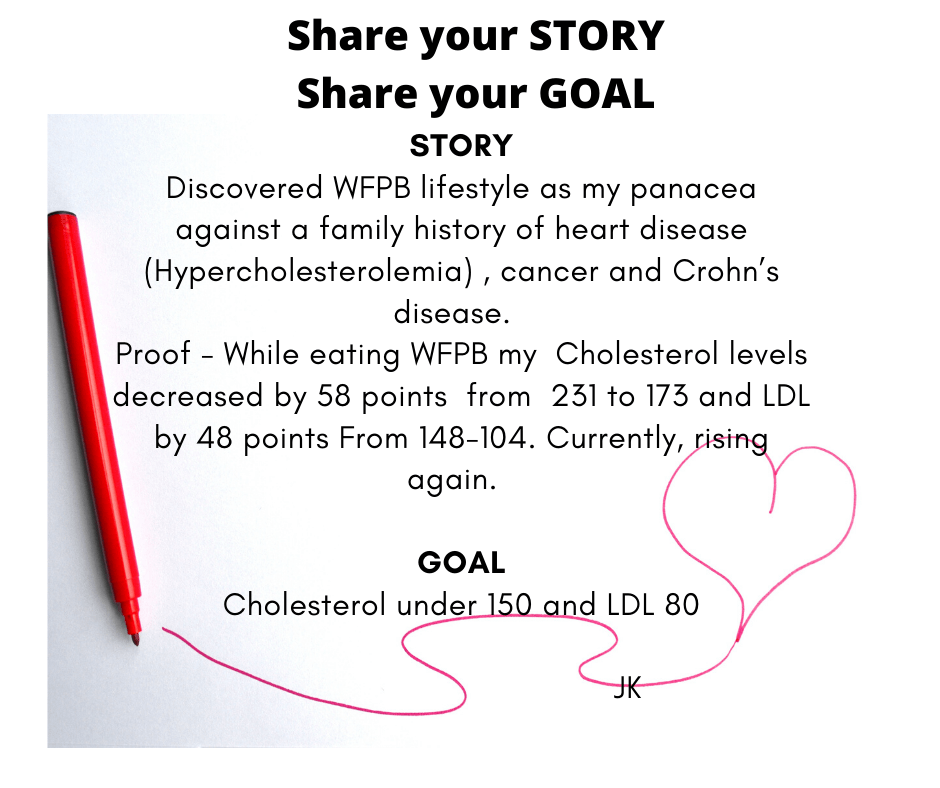
On September 14th , 2020, I began my personal 14 day challenge. For me , there was no better time than the present to ramp up my WFPB game. I was coming up on my three month evaluation with my PCP and scheduled follow up blood work (exactly 2 weeks from the 14th), to determine if my new health habits have effected my numbers.
I have been “primarily” plant based for the past 10 years, meaning, I ate chicken once a month (I can explane later), cooked “oil free”, did not consume any other animal protein including dairy, and refrained, as best I could, from processed snacks. Family history and previous lab work confirmed familial hypercholesterolemia. Exhausted and confused after following and studying experts in the field of nutrition and medicine, I decided to take a nutrition class from the Centers for Nutritional Studies at Cornell University. The class was enlightening, but I still needed guidance and direction. In April 2020, I received an email invite to a “Jump Start” to “Flatten the Curve”, sponsored by Plant Pure Communities. This is a 10 day program that connects interested people, on various levels of the WFPB journey, with instructors, chefs, and doctors, to guide you through 10 days of WFPB experience.
Posted in PBnJ of Corpus Christi face book page , May 2020
I continue to understand the journey: learning, deciphering and discovering the profound effects of a whole food plant based lifestyle. It is so NATURAL, so EASY and so LOGICAL. It is heard to understand how patients so trustingly and effortlessly respond to a prescription for synthetic chemicals as treatment for their chronic disease and become confused, suspicious and inconvenienced when the most natural form of healing (WFPB eating) is introduced. “By far , the most powerful shaping force at work before you is the patient’s diet…all other treatments are symptomatic (treating ONLY the symptoms) and ultimately INEFFECTIVE (at resolving or reversing the disease processes).per Dr. Michael Klapper, Moving Medicine Forward.
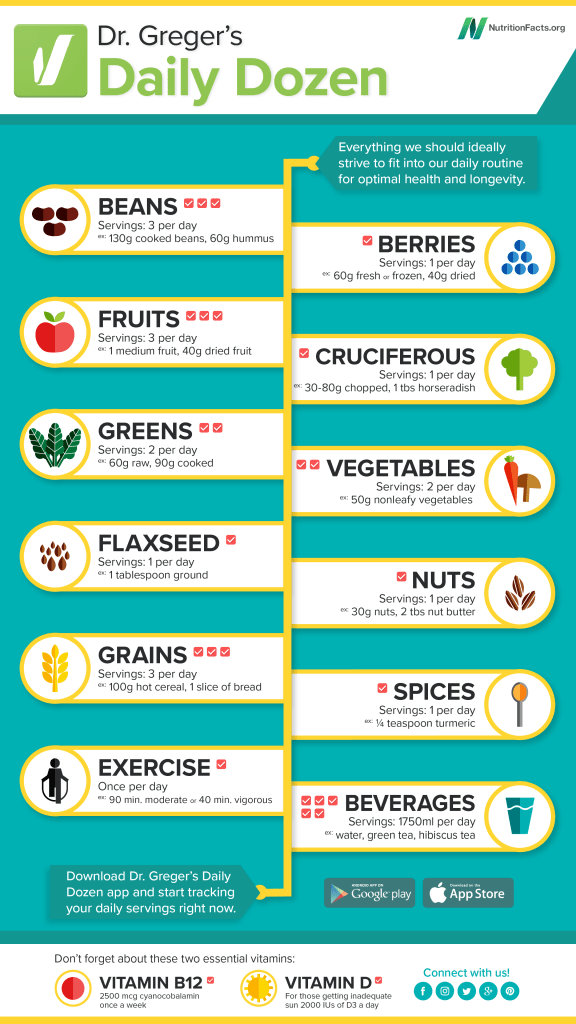
So with the advise of my PCP and a local dietician, I altered my diet a bit, adding more legumes and a table spoon of Flaxmeal to my diet daily. I began following Dr. Gregor’s daily dozen (check out Dr. Gregor’s Daily Dozen free phone app. It is an easy check off list that serves as a helpful reminder to eat a variety of the healthiest foods every day), I continued to eat a WFPB diet excluding meat and dairy and have also excluded all processed oils in my diet to the best of my knowledge, (Oil is an ingredient in many foods, including alternative, plant based milks and creamers. Read the lables). I began walking 30 min daily and added squats, crunches, push-ups and planks to my routine (starting very,very slowly).
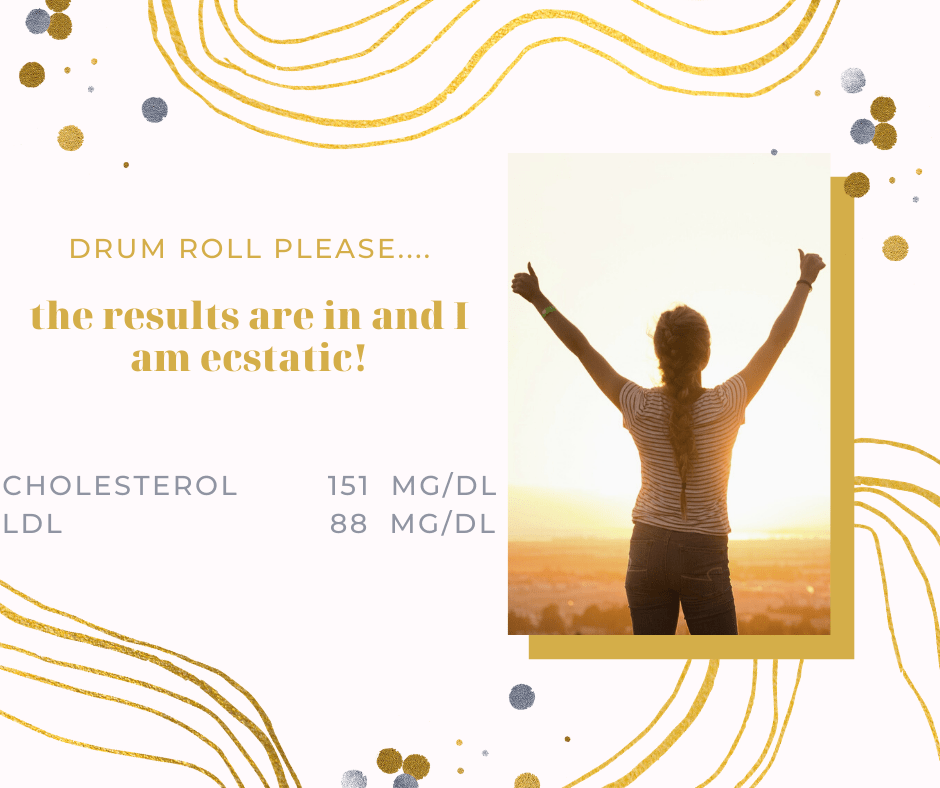
Fast forward to September 28: the results are in and I am ecstatic! I want to shout from the roof top that it IS possible to control your health , reverse your numbers and possibly reverse your risk factors eating a whole food plant based diet. Back on May 10th, I posted “Share your STORY, Share your GOALS” on PBnJ Facebook page. The purpose of the post was to share with my PBnJ face book friends, why I started exploring the WFPB lifestyle. I wanted to address a history of familial hypercholesterolemia and heart disease using a whole food plant based diet as a prescription for good health. I enlisted the expertise of my PCP, (Dr.Schulze) and a local dietician (Shelby Killion) to help me better understand the nutritional aspects of my condition. We discussed possible natural treatment including flaxseed meal daily (1 tbs), increasing my legume consumption (no exact amount given), as well as, continuing meditation (defined for me as continuing my prayer life), and increasing my daily activity (since all I did was walk my dog 1/2 mile daily). The “My Fitness Pal” app also helped me get the recommended proportions of protein, fat and carbohydrates.
Stir Fry vegetables are another favorite and easy recipe that is a hit at our house. It is versatile: dependent on what vegetables are in season or what is available in the house. Try this recipe for a delicious and easy whole food plant based fix.
Taquitos on the weekends have been a tradition at our house for many years. Whether they are purchased from a local Taqueria or home made , these are a deliciously filling meal. Since we have been plant based, to liven up the traditional refried bean and potato version, we add a little tofu crumble, along with any other fixings our family is craving at the time; ie, Spanish rice, avocado, peppers and onions.
PBnJ is committed to supporting and promoting awareness of the profound effect of food and nutrition on our health. As our community is in the midst of the Covid-19 crisis, it is essential that we discuss the important role nutrition plays in the current state of our health. Many people of Nueces county suffer from DIET related comorbidities (Obesity, Diabetes, Renal disease, and Atherosclerosis). It is these diseases that increase an individual’s risk of death from coronavirus. It can be concluded then, that the very same treatment and lifestyle that is promoted to recover, improve, and even reverse these disease, is the same approach that will help reduce the risk of infection and even death from COVID-19: improved nutrition from a whole food, plant-based diet.
There is so much rhetoric regarding the Covid-19 pandemic, causing confusion, fear and anxiety. The pandemic is a wake-up call from the complacency of our personal health. It is the ultimate drill. So what can we do now to attain a sense of control: know and take charge of the state of your health.
The definition of health according to the World Health Organization is, “a state of complete physical, mental and social well-being, not merely the absence of disease or infirmity.” Physical well-being includes lifestyle behavior choices to ensure health, avoid preventable diseases and conditions and living a balanced state. To understand our “complete physical well-being” we need the expertise of qualified medical professionals.







 PBnJ of Corpus Christi