
Former Corpus Christi resident, PBnJ Member and Lifestyle Medicine Doctor to speak at Corpus Christi VegFest 2021
“Let food be thy medicine and medicine be thy food”. These are the profound words of Hippocrates, the father of modern medicine.
“Despite the strong body of evidence favoring plant-based diets, including studies showing a willingness of the general public to embrace them, many physicians are not stressing the importance of plant-based diets as a first-line treatment for chronic illnesses. This could be because of a lack of awareness of these diets or a lack of patient education resources.”
The Permanente Journal :Perm J.2013 Spring:17(2)61-66
PBnJ is dedicated to providing resources that will encourage and promote better health through lifestyle changes. There is a growing movement from the community seeking an understanding of the cause of the global health crisis. We are seeking a reversal and cure of disease, not merely a treatment. Patients are ready to actively take responsibility for their health. We are searching for committed and invested physicians who understand and respect the role of nutrition in our health and who are willing to empower their patients with the necessary tools for success.
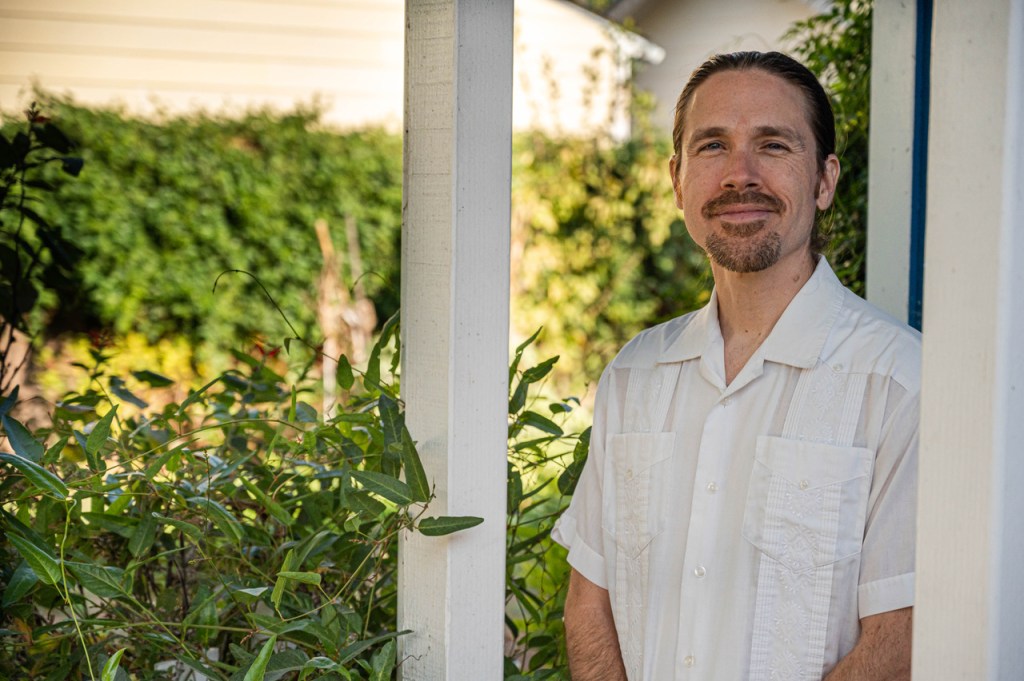
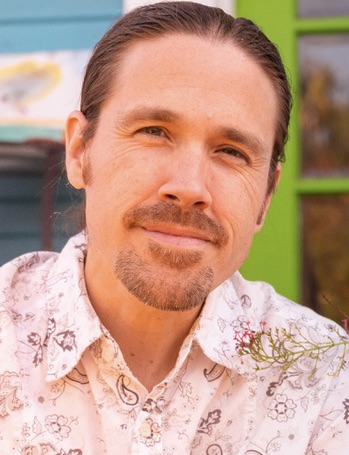
Today we would like to introduce Dr. Jeffrey M. Pierce, a PBnJ member and medical professional advocating the use of diet and lifestyle choices for a healthier, longer life.
Dr. Pierce is a family physician certified by the American Board of Family Medicine since 2007 and is a member of the American College of Lifestyle Medicine. He is currently practicing obstetrics at Contra Costa Regional Medical Center in Martinez, California. Dr. Pierce is an integral part of the physician team at Plant Based TeleHealth where he specializes in Life Style medicine. He is licensed to treat patients in California, Texas, and Florida through telehealth communications. Dr. Pierce also works with the Global Ultrasound Institute teaching physicians and nurses how to use ultrasound to take better care of their patients.
Jeff was born and raised in Corpus Christi. He attended Fisher elementary, Hamlin middle school, and graduated from W.B.Ray High School in 1996. Dr. Pierce continued his undergraduate education at the the University of Texas – Pan American (now UT-Rio Grande Valley). He received his doctorate in medicine from Baylor College of Medicine in Houston. Dr. Pierce completed his family medicine residency training and a fellowship in global health and obstetrics in California. Through the recently increased popularity and capability of video visits via telemedicine, Dr. Pierce is excited to offer his specialized lifestyle medicine professional services to Corpus Christi and the Coastal Bend community.
You are a family medicine doctor specializing in lifestyle medicine. Please share with us why you chose this profession and what motivates you to continue serving the community.
I initially chose family medicine so that I could take care of people throughout all stages of life. It was also the field I found most fitting to work with underserved populations in remote settings around the globe in the developing world. After working for years between the United States and countries in Latin America and Africa, I started a family and settled down in Northern California. While the most pressing diseases I saw in rural Africa were HIV, tuberculosis, and malaria, the biggest challenge for the American health care system is the burden of chronic illness related to our lifestyle choices. Frustrated at our relatively poor job of managing these chronic illnesses such as heart disease, diabetes, and high blood pressure, I was elated to discover that an entirely new field of medicine called Lifestyle Medicine had been developed to get to the root cause of these types of chronic diseases. Through lifestyle medicine, I now have the tools to help people turn their lives around by taking control and reversing their own chronic illnesses.
Please share your thoughts about the following statement: Whole food, plant-based (WFPB) nutrition has the power to prevent, treat and in some cases actually reverse disease.
This is a powerful and invigorating statement. I was taught in medical school that once you have a chronic illness like high blood pressure or type 2 diabetes, you will need to take medications for the rest of your life. Basically you will be sick for the rest of your life, but if you take your pills, you can manage it. I have since learned that, based on decades of scientific research, we can do far better than that. By choosing a healthy diet and lifestyle, not only can we help to keep ourselves from ever getting these diseases, we can often treat them better than we could with pills. And sometimes we can actually make these debilitating conditions go away once we have been diagnosed with them.
PBnJ’s objective is to inform the community of the health benefits of eating nutrient rich foods, particularly a whole food plant based diet. What role does a WFPB lifestyle have on patients under your care?
I am a firm believer that food is powerful medicine. Food is not just some source of calories to keep us moving throughout the day. The right foods (such as vegetables, fruits, whole grains and legumes like beans and lentils) help keep our blood pressure normal, our blood sugar and body weight in the right range, our immune system working efficiently, our cells free of cancer, and our organs functioning correctly. Conversely, unhealthy food (such as my favorite meal in high school of a double bacon cheese burger with fries and a shake) could be viewed as a slow poison that is responsible for many of the major causes of disease and death among Americans. I am lucky enough to frequently see my patients and their loved ones control and reverse their chronic illnesses simply by switching from the wrong foods to the right foods.
Do you feel it is your role to provide patient’s with nutritional information ? If not, do you refer to allied health professionals?
Before I spent many additional hours learning about diet and health, I felt unprepared to discuss diet with my patients. Just like the majority of medical doctors around the United States, I was taught very little about nutrition in medical school and residency training. According to the majority of my education, diet was something that either didn’t have a role in the patient’s illness, or it did but I couldn’t expect a patient to change their diet, so I might as well just prescribe them the latest pill or surgery to fix them. Interestingly and coincidentally, doctors are reimbursed more for prescribing pills and procedures than giving dietary education. Now, I certainly feel it is my role to provide patients with nutritional education, and I can do so confidently. That said, I still am grateful to refer patients to dietitians for their extra teaching when the need arises.
What would you say is the most difficult hurdle to overcome for your patients when transitioning?
I think the most difficult hurdle during transition to a healthy diet is social pressure from our peers. When you show up to watch the big game with your friends, and everyone is eating burgers, and you pull out your kale and pomegranate salad along with your hummus and cucumber sandwich, your buddies are going to poke fun at you. They might ask if you brought that for the rabbit, and “where will you get your protein”. Or when everyone is ordering pizza at the pizza place, and you ask for the veggie pizza without the cheese, your friends may hang their heads in shame and tell the waiter that they don’t know you. And you may be more inclined to just forget it all and have their meat-lovers deep dish just to avoid the harassment. But if you were at a VegFest or a vegan potluck, no one would bat an eye, and you’d feel more comfortable with your decision to eat better. Food is such a critical part of our social network. Our ability to stick with a healthy diet is having friends and family that will support us, no matter what, because they care for us, regardless if we get the beef burger or the bean burger. You want your decision to eat this way, whether it be for your health, or the health of the planet, to be supported. So share with your friends why you’re making a transition to a healthier way of eating. Have them watch, “The Game Changers”, or “Forks Over Knives”, and then see if their opinions have changed a bit.
How would you describe your diet?
I eat a version of a whole food plant based diet. I pretty much stopped eating all meat in 2000 during my senior year at UTPA after seeing a random HBO special on the lives of animals in factory farms. I gave up dairy many years later. Cheese was hard for me. But the more I learned about the downside to my health, the animals, and the planet, the easier it was to say “no thank you”. Breakfast nowadays is usually oatmeal with nuts, fruit, flax and chia seeds. Lunch is usually left overs from the night before. Dinners tend to be a whole grain base (such as brown rice, quinoa, millet, amaranth, etc), a legume (either pinto or black beans; or a lentil based curry, or tofu or tempeh), and cooked veggies like zucchini, peppers, tomatoes, and dark green leafy veggies. I usually eat our homemade whole grain bread with dinner, and snack throughout the day on nuts and fresh fruit. Even before the pandemic, we rarely got take out. Why pay more for food that’s not as healthy or as tasty as what we can make? We grow a ton of stuff in our garden year round, so we eat produce from our garden 2-3 times a day. That’s part of what makes eating this diet so much fun for me. I get to grow a lot of my own food, pick it at its peak flavor and nutrient content, and I don’t need to bring it home in plastic bags. Dessert is either some dark chocolate (85-90% strength), fruit, or some experimental vegan dessert I’m trying to make so I can share it with my friends and patients. But my diet doesn’t have to be your diet. It’s just one type of a WFPB diet.
How would you recommend raising general awareness about the important relationship between food causing, preventing and curing disease?
I think movies are the best way. There are lots of great books out there, but many more people will sit in front of a movie than commit to a book. Like I mentioned above, I think “Forks Over Knives” is great for showing people the power of food. I recommend “The Game Changers” to my athletic friends and patients to show them the power of a plant based diet for strength, stamina, and recovery. I recommend “Fed Up” to people with kids to learn more about the effect of the standard American diet on our little ones. I also think “What The Health” has some interesting points worth watching.
Doctor’s Recommendations:
I strongly feel that any move in the right direction towards health is worth it. Just adding one more vegetable to your plate, or one more fruit during your day, can have positive impacts on your health. Starting to exercise for 10 minutes a few times a week can get you feeling better and eventually lead to more exercise for more days of the week. These changes often aren’t easy. I come from a bicultural family, so I have first hand, personal experience with two groups on the cultural challenges that come with switching to a healthier lifestyle. But I have had the honor and pleasure of watching people from many different cultural, racial and economic backgrounds make the move to a healthier way of life. Eating and living this way will keep us living longer and happier, it will break the cycle of lifestyle diseases running in families, it will help keep our nation from going broke due to the increasing costs of these diseases, and it will help keep our planet healthy by reducing the amount of fossil fuel use and habitat destruction caused by our current way of eating. I am truly lucky to have the opportunity to practice medicine in a way that empowers people to create a brighter future. Thank you for this opportunity to share my thoughts on this topic with you today.
Join us in welcoming guest speaker- Dr. Jeffrey M Pierce Saturday, October 9th, 2021 VegFest at Heritage Park
For information about scheduling a telehealth appointment click here- Jeffrey M Pierce, MD.
Check out these interviews with Dr. Pierce .
 PBnJ of Corpus Christi