
“The best representation of your health is what is on your plate”
Michael Klapper, MD
Our most primitive, essential survival instinct is fueling our bodies! Nutrients, in the foods we eat, provide us with the energy needed to get us through our day. These same nutrients keep our hearts beating, our brains active and our muscles working. So, why not provide our “one and only” with the best energy source possible? Some researches have said that our food choices are biologically or economically influenced and others point out that there are physical or social determinants causing our poor food choices. Whatever it may be, awareness of the differences in the quality of the foods we choose, is the first step to empower ourselves to better health.
It has been a little over a year since PBnJ began posting interviews with community members to share their knowledge and passion for all things plant based. Today, we are pleased to introduce John Massengale, RDN, LD.

John has a B.A. in Business Administration from the University of North Texas and over 18 years of experience in the financial services industry. He also earned a B.S. in Dietetics and Human Nutrition from Metropolitan State University in Denver, Colorado. John completed his dietetic internship from the University of Oklahoma in Oklahoma City, OK. He’s a certified Health Coach through WellStart Health and participates in ongoing plant-based cooking education through Rouxbe online cooking school. He is currently pursuing certification through the American College of Lifestyle Medicine. He offers in-person and virtual counseling services for weight loss, sports nutrition, heart disease, and diabetes diet management.
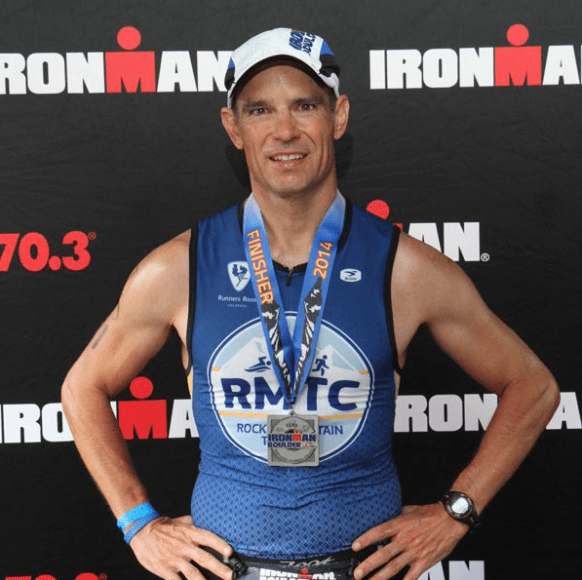
John is an accomplished athlete whose achievements include: 2014 Boulder Ironman Finisher: 11 hr.52min., 2017 Leadville 100-mile MTB race:11 hr.33min, Half Marathon PR: 1hr.37min., Marathon PR: 3:29min. John is a member of the Corpus Christi Triathlon Club and the Sparkling City Toastmasters Club. Johns shares nutrition information and plant based recipes in a featured article (2019) in “The Bend” magazine.
Please share with us why you chose this profession RDN,LD and what motivates you to continue serving the community.
I lost my father to heart disease when he was 63 years old, which is way too young. Heart Disease as well as most other chronic diseases are lifestyle related. I decided to dedicate my life to helping people avoid the pitfalls of nutrition related chronic diseases. My wish is to help those in my community by providing them with nutrition advice that is based on science so they strive and live active lifestyles.
Please share your thoughts about the following statement: Whole food, plant-based (WFPB) nutrition has the power to prevent, treat and in some cases actually reverse disease.
I believe that is a true statement. The reasons I believe it is a true statement is because of the overwhelming amount of evidence. There are countless number of research studies that have come to that conclusion. I have been WFPB for the past eleven years and at age 51, I feel like I did when I was in my twenties.
Do you advocate a whole food plant based diet for your clients? Why or why not?
Yes, I do. I believe that with some practice it’s easy to follow, affordable, and can potentially meet an individuals nutrient needs. By eating WFPB it is also good for the planet and reduces the needless suffering of animals.
During your time as a dietitian, you have seen many diet fads come and go. What is the most detrimental fad in today’s society?
I would have to say the Keto diet which is still being used by some individuals. The current carnivore diet in my opinion can be one of the most detrimental in todays society.
With all the information and misinformation in the media , how can the average person know if what they are consuming is beneficial to their health?
I would start by asking personal doctor or nutrition professional if they have any information about a product or supplement your considering purchasing. That person should also provide you with an idea if you would benefit from that product or supplement. Information and research is more readily available with most people owning a computer or owning a smart phone. I would suggest that everyone do their own research before they spend money on a product or supplement. When doing research, be wary of websites that promote products for a profit or may have a vested interest in the product being promoted. Most .org and .edu websites maybe more reliable source for information and provide unbiased options on products or supplements. I also believe that if something sounds too good to be true, it probably is.
How and when did you discover a plant based lifestyle?
I discovered the plant based lifestyle while I was at a triathlon training camp in Las Vegas Nevada. The coaches that conducted the camp were plant based and had crates and crates of mangos, bananas, all other types of fruits. After a hard training day they would make these big fruit smoothies in their vitamix. I asked them for more information about plant based nutrition and that is when they told me to watch the documentary, Forks Over Knives. After watching Forks Over Knives in 2010, I quickly switched to a plant based diet.
What motivated you to change your eating habits?
To lose weight, perform better as a athlete, and to avoid heart disease.
How has eating plant based affected your health?
I’m 51 years old and I feel like I’m 25. I compete at a high level in endurance events like Ironman, marathons, and ultra distance mountain bike races.
What is most challenging about a plant based lifestyle?
Finding foods to eat when your traveling.
What do you like best about your new way of eating?
I feel more of a connection with the foods I’m eating and the natural environment. I feel more compassion for other individuals including animals.
Please share your top tips for someone wanting to adopt a plant based diet.
Go slow and take your time. Have an open mind and explore different cuisines like Thai, Ethiopia, Asian foods.
Describe your typical meals throughout the day/diet?
Smoothie Bowl with homemade granola for breakfast. Vegetarian chili, brown rice and salad for lunch. Grilled Tufu, sweet potato fries and broccoli for dinner. Snacks are fruit with natural peanut butter.
The foods we eat are meant to build and strengthen bones, muscles and all other body tissues as well as keep our system functioning efficiently. They are the fuel to keep our “one and only” running well. Understanding that what we eat matters, is the key to responible eating. Knowledge is freedom; freedom from illness. Let’s not be overwhelmed by the great responsiblity to self…
Start where you are. Use what you have. Do what you can.
Arthur Ashe
To contact John, visit his website JohnMassengalenutrition.
 PBnJ of Corpus Christi