There is so much rhetoric regarding the Covid-19 pandemic, causing confusion, fear and anxiety. The pandemic is a wake-up call from the complacency of our personal health. It is the ultimate drill. So what can we do now to attain a sense of control: know and take charge of the state of your health.
The definition of health according to the World Health Organization is, “a state of complete physical, mental and social well-being, not merely the absence of disease or infirmity.” Physical well-being includes lifestyle behavior choices to ensure health, avoid preventable diseases and conditions and living a balanced state. To understand our “complete physical well-being” we need the expertise of qualified medical professionals.
Start with a comprehensive and objective picture of your overall health. This can be acquired through regular checkups and screenings provided by a trusted family physician (Primary Care Doctor). These checkups will create a base line to monitor blood pressure, heart rate, and weight and screen for various abnormalities in blood values. Being proactive wards off the risk of experiencing chronic disease .
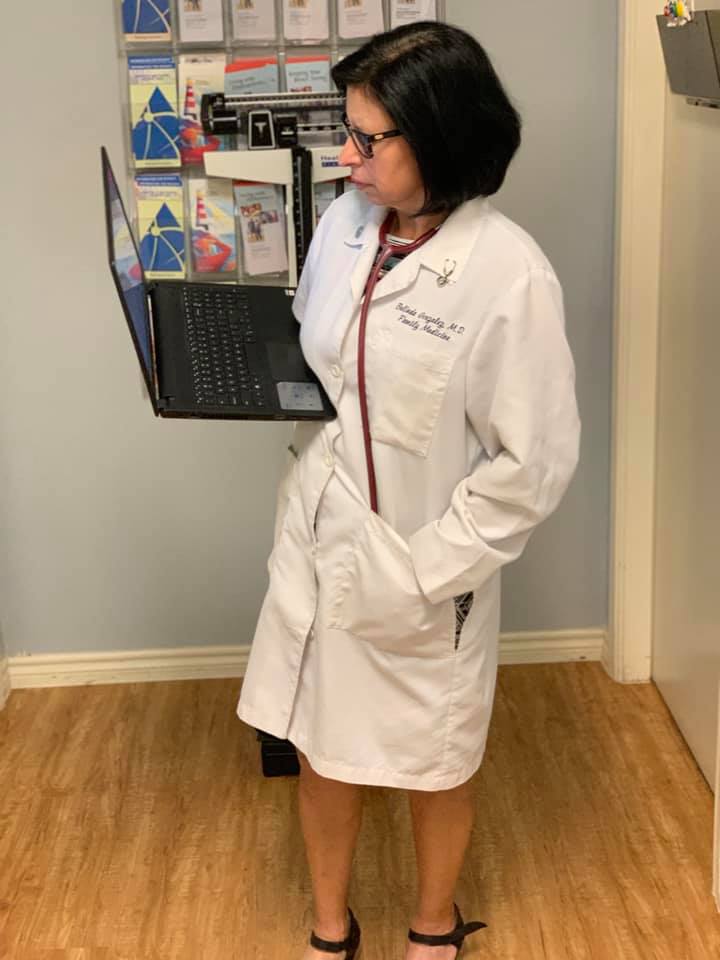
Today, local physician , Dr. Belinda Gonzalez, weighs in on a WFPB lifestyle in her private life and in her practice.

Dr. Gonzalez earned her Doctor of Medicine Degree from the University of Texas Medical School at Houston. She is a member of the Nueces County Medical Society, the Texas Medical Association, the Texas Association of Family Physicians, the American Academy of Family Physicians and a life time member of Phi Kappa Phi Honor Society. Dr. Gonzalez is a Diplomat of the American Board of Family Medicine (ABFM). She was selected as a Top Family Practitioner in 2019 of Corpus Christi, TX.
Dr. Gonzalez has been in private practice, for the past 24 years, specializing in Family Medicine.
Dr. Gonzalez states that 80% of her patient population experiences chronic disease as a result of lifestyle choices. This is consistent with the CDC that states 60% of all Americans have a chronic disease and 40% have two or more.
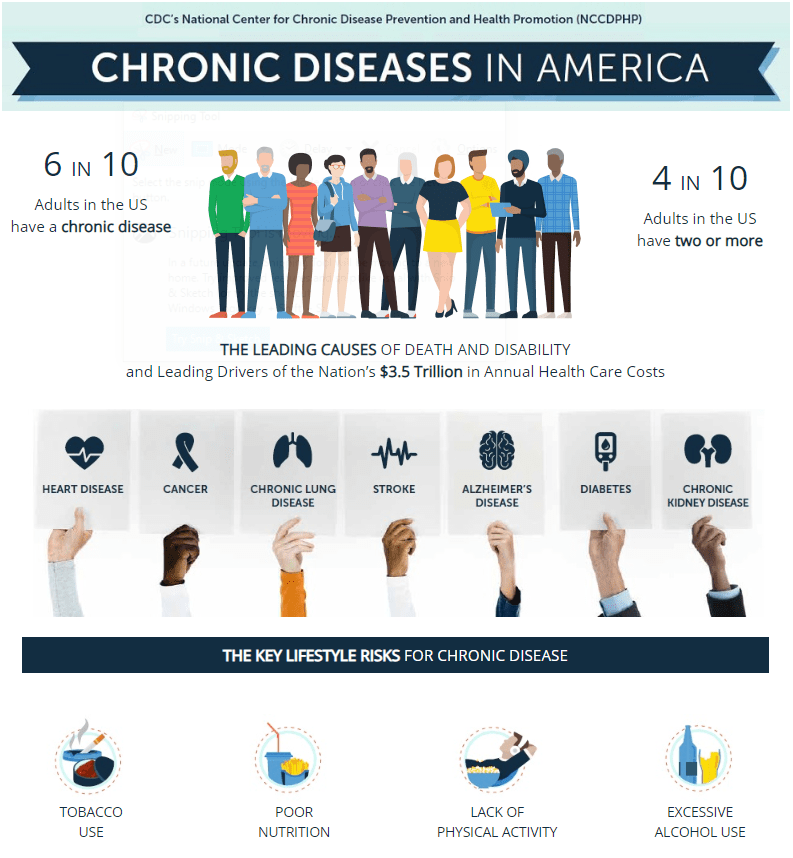
A variety of lifestyle or health related habits (behavioral factors) that can have a major impact on a person’s health include: smoking, alcohol, poor diet leading to obesity or malnutrition, lack of physical exercise, sexual behavior and problems resulting from drug taking.
http://www.lfphwm.org.uk
In response to the statement: Whole food, plant-based (WFPB) nutrition has the power to prevent, treat and in some cases actually reverse disease. Dr. Gonzalez states:
I do agree that disease can be treated with a whole food plant based diet, but I do NOT feel that all diseases can be prevented with this lifestyle. Some diseases are genetic and no matter what you do/eat, your risks cannot be reduced (e.g. certain breast cancers, some patients with very healthy diets who maintain healthy weights still get diabetes, and heart disease occurs in patients who have normal labs, exercise, eat healthy but just have family history).
As a medical provider, you use your learned knowledge to diagnosis and treat the immediate, chief complaint of each patient, how do you discuss/address lifestyle as the underlying cause? How often do you talk about foods causing or curing their current condition?
At every visit, I address their (patient’s) exercise frequency and their diet (what do they eat). When I discuss their labs, I do point out the labs that are abnormal due to their weight, lack of exercise, and current diet (e.g. high triglycerides, elevated sugar and liver function tests, etc).
Do you use dietitians or nutritionists for consultation? Why or why not?
Dietitians and Nutritionist are not consulted very often. Most insurance companies do not cover these consultation (unless the patient has a diagnosis of diabetes, hypertension, high cholesterol). It is hard to find a nutritionist/dietitian in our area that is available/willing to see these patients.
You mentioned you have at one point followed a WFPB diet. Why did you start and what is your current eating habits today?
I began this way of eating because I wanted to see if following a plant based diet would help me improve my endurance, strength and overall well being. It did, but I do miss meat/chicken/fish. At this time, I do not follow a plant based diet, but I eat pretty healthy avoiding fried foods, sweets, sodas, alcohol and highly processed “junk” food.
Do you recommend WFPB eating to your patients? Why or why not?
I do recommend eating WFPB to patients that are willing to listen to the benefits. I tell them that it can help them feel better. I relay to them the benefits that I obtained while doing WFPB and how this can help them lose weight, as most of them are trying to lose weight but have not been successful in their attempts with fad diets.
How would you recommend raising general awareness about the important relationship between food causing, preventing and curing disease?
TV/streaming ads; I would suggest a well known and liked celebrity to promote the benefits of this diet and explain that what you eat affects your overall health.
Do you think the impact of the Covid 19 and Standard American Diet affected the current health of our nation during this pandemic ?
Absolutely; instead of the freshman 15, I’m calling it the “COVID 15”, as so many of my patients have gained weight by staying home and eating more and eating JUNK.
Are you aware of any physician groups or individual physicians advocating for WFPB in the Coastal Bend?
No I am not aware of any physician groups advocates WFPB liefstyle..
Despite the strong body of evidence favoring plant-based diets, including studies showing a willingness of the general public to embrace them, many physicians are not stressing the importance of plant-based diets as a first-line treatment for chronic illnesses. This could be because of a lack of awareness of these diets or a lack of patient education resources.
https://www.ncbi.nlm.nih.gov/pmc/articles/PMC4991921/
National dietary guidelines for active living and healthful eating are available at www.ChooseMyPlate.gov. A typical healthful plate of food is 1/2 plant foods (nonstarchy vegetables and fruits), 1/4 whole grains or unprocessed starchy food, and 1/4 lean protein.
https://www.ncbi.nlm.nih.gov/pmc/articles/PMC4991921/
Awareness is power, and in the context of this interview, it is the power to prevent, control or reverse chronic disease. This in turn, will enhance your recovery if/when combating any viral communicable disease. Understanding the current health of your body, your family medical history and the effects of your lifestyle choices on your physical well-being, is key to taking charge of your health. Seek the expertise and guidance of a local health care medical professional. Your future is a choice, choose to commit to changes that positively impact your health. Good health is key for participating fully in life.
 PBnJ of Corpus Christi